Will Your Agency Survive Without the Right AI Tools?
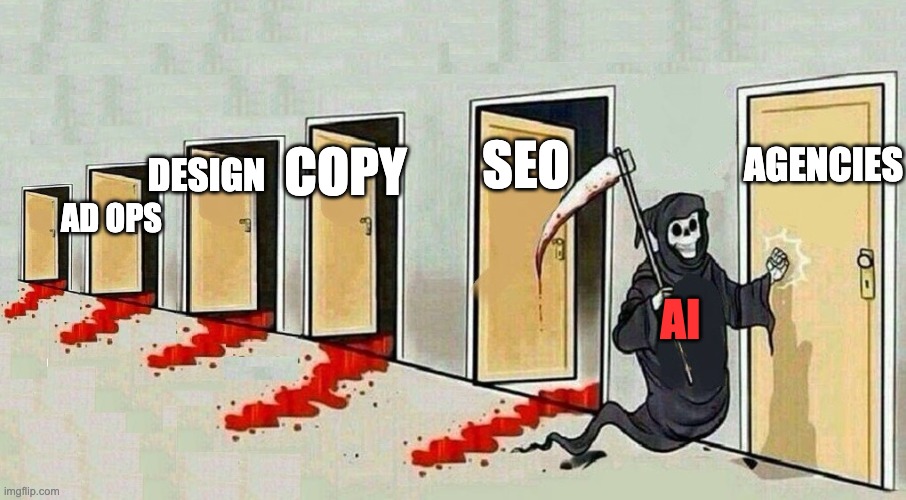
Agencies die within a year. That's the mantra right now. But how true is it? AI doesn't kill agencies, wrong roles and the wrong stack do. A junior with the right workflow can today match senior output, which is why clients pick the team that delivers fast, safely, and without friction.

AI doesn't kill agencies. Wrong roles and the wrong tools do. Whether you run a PR, recruitment, media, event, design, or strategy agency, the teams that win are the ones that unite craft, data, and automation into one clear flow. So you pick the right AI tools and put them in the right hands. Then accuracy goes up, lead times shrink, and you deliver more predictably.
Why the Right AI Tools Beat More Tabs
First, it's all about focus. Teams that standardize their way of working outpace teams that "try everything." In addition, McKinsey: The Economic Potential of Generative AI points out that generative AI accelerates time-to-value when tasks are recurring and processes are already in place. That's why agencies that choose a short list of the right AI tools, train on them together, and measure the outcome win, not agencies chasing the next trend.
Then it's about choosing tools that actually elevate the work. You need AI that helps with writing, images, analysis, or code, not more tabs. So you build a narrow stack everyone knows and that you're willing to measure. That's where you save time, that's where you raise quality, and that's where delivery becomes consistent.
Four Building Blocks With the Right AI Tools
1) Text and Analysis
Aim for clarity. You summarize research, create headline and message variants, and prioritize next steps. You document sources and set simple rules for how you handle data. Then you keep the team aligned with templates and checklists. And yes: training in prompt craft makes a difference in everyday work.
2) Image and Video
Try out ideas fast: moodboards, storyboard sketches, and simple demo clips. You let judgment drive the final choices and keep experiments in the "sandbox" until they hold up. Feel free to watch where the format is headed via OpenAI Sora, but let strategy be driven by customer value, not tool names.
3) Production and Delivery
Move step by step: clear brief → first version → feedback → finished delivery. You work in small iterations and minimize wait time between roles. You use the right AI tools to draft materials, create variants, and polish content, but you always own the quality.
4) Automation and Governance
Connect the steps so nothing falls through the cracks. You log decisions, approvals, and sources. You document how you got from input to delivery, so the client understands the journey. The result? Less friction, fewer redos, and stronger trust in every pitch.
Only Measure What Matters
Set three shared metrics across all engagements:
- Time to first version - from brief to something the client can see.
- Quality of the first delivery - how often does the client say "yes" without a redo?
- Speed without friction - how many handoffs, and how long is the wait between them?
Furthermore, McKinsey shows that the gains land when you simplify workflows, not when you add more layers. At the same time, AI adoption in Sweden is growing fast, but the gap is widening between "testers" and "method-driven teams," according to Internetstiftelsen: Swedes and the Internet. That's why teams that train together, clear away noise, and follow up win.
The Minimum Shared Skillset
You don't need specialists everywhere, but you need a foundation you share: how you write sharp briefs, how you evaluate sources, how you ask for feedback, and how you translate goals into clear deliverables. Add simple rules for ethics and data handling on top of that. With that foundation, the right AI tools elevate every role, from account and producer to creative and analyst.
What's Happening in the Nordics Over the Next 12 Months?
In Sweden, AI adoption is increasing fast, but the gap is widening between those who know the technology and those who are just trying it out. Internetstiftelsen: Swedes and the Internet describes the pattern clearly. That's why teams with method and core skills are pulling ahead of the rest. And that's why it pays off to focus on the right AI tools that everyone knows and that you actually follow up on.
What Can You Do Next?
A short list. A trained team. Clear metrics. You put the right AI tools in the right hands and you get speed, quality, and reliable delivery no matter the type of agency. So the question isn't whether you "should use AI," but what you dare to remove to get real impact.
Unsure about tools, roles, or workflows? Reach out - we at Nordisk Ai are happy to guide you.



