AI Can Save the Climate - If Regulation Steers It Right
AI is growing fast, and so is the power bill. Yet new data shows how the technology can reduce waste, cut energy use, and deliver climate benefits. The key? Governance that works. Explore the details in our latest article on how AI can save the climate with the right rules and measurable benefits.

What's It About
AI consumes rapidly growing amounts of electricity. At the same time, AI can reduce emissions in industry, energy, and logistics. That's why clear rules and smart governance will determine whether the technology becomes the climate's turbo or a new burden.
Data Centers Draw Power, but the Potential Is There
The IEA shows that data centers could double their electricity use to over 1,000 TWh as early as 2026, roughly on par with Japan's annual consumption. AI accounts for a large share of the increase. But the IEA also points out how AI can make the energy system itself more efficient - from forecasting to control.
At the same time, several analyses describe how generative AI requires a lot of energy in both training and use. That's why transparency and measurement matter, especially since data centers are often located in regions with carbon-intensive electricity. Read Le Monde.fr.
The Key: Regulation That Drives Benefit, Not Waste
The EU AI Act is now in force and is rolling out in stages. The law sets a framework for risk, transparency, and accountability, and it's keeping its timeline despite calls for a pause. That's why organizations now face requirements for governing high-risk systems and for disclosing information about general-purpose AI models. See the European Parliament.
Why Does It Matter? Because AI can save the climate only once we connect investments to verified benefits. With clear mandates, policy can curb energy waste, while the market rewards solutions that actually reduce emissions per dollar and per kWh.
From Words to Impact: Where AI Is Already Helping the Climate
AI solutions find plastic in the oceans, map deforestation, track ice melt, and predict extreme weather that threatens agriculture. Companies also use AI to reduce waste, optimize logistics, and lower energy use in factories and buildings. AI can also control cooling and load in data centers for a lower PUE.
How to Scale It:
- Measure emissions and electricity use before and after implementation.
- Shift workloads to times and locations with lower emissions intensity.
- Recover waste heat from data centers and track PUE continuously.
- Publish energy data per use case; let independent parties review it.
What Needs to Happen in 2025-2026?
First, the industry needs to open up its numbers. Without traceability, we end up debating instead of improving. Second, policy instruments must reward efficient AI, not just more servers. That's why procurement should weigh carbon per transaction. Third, we need clear guidelines for "necessary use" so we don't spend expensive compute on trivial tasks. Le Monde.fr
In addition, energy companies, cloud providers, and municipalities should coordinate capacity, grids, and heat recovery. Then new data centers can not only draw power but also deliver district heating and balancing services. At the same time, AI teams need to design models and inference paths that hit the same targets with less energy.
Conclusion: AI Can Save the Climate With the Right Game Plan
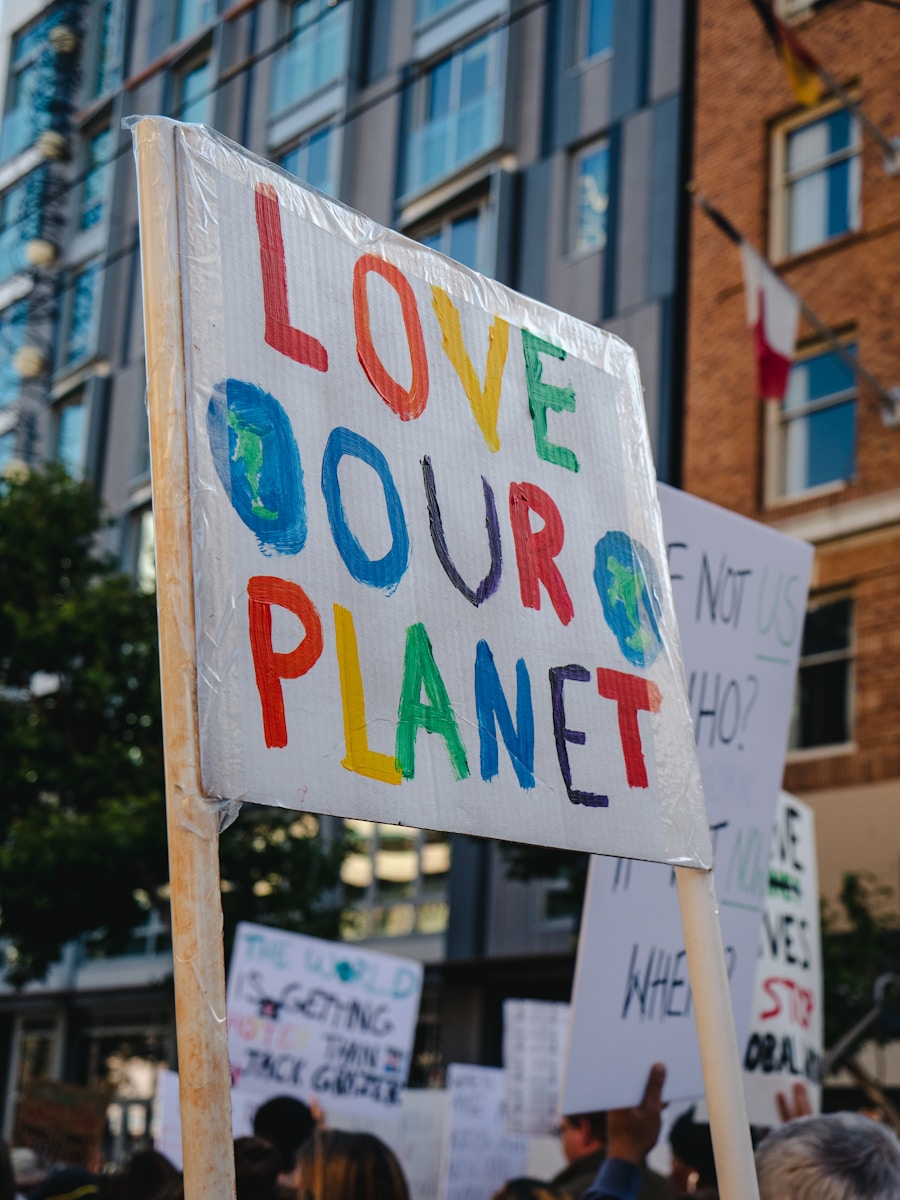
We're at a crossroads. AI can save the climate when governance ensures that every watt delivers climate benefit: smarter grids, less waste, better planning, and lower emissions per decision. But without requirements for transparency and efficiency, we risk building energy-guzzling habits. That's why we need both the EU's framework and hard data from industry now. European Parliament.