US Conducts Successful Air Combat With AI
The US Air Force and DARPA have presented a significant breakthrough in machine learning and autonomous systems through their work with the X-62A VISTA aircraft, foreshadowing a new era of technological innovation in both military and commercial aviation.
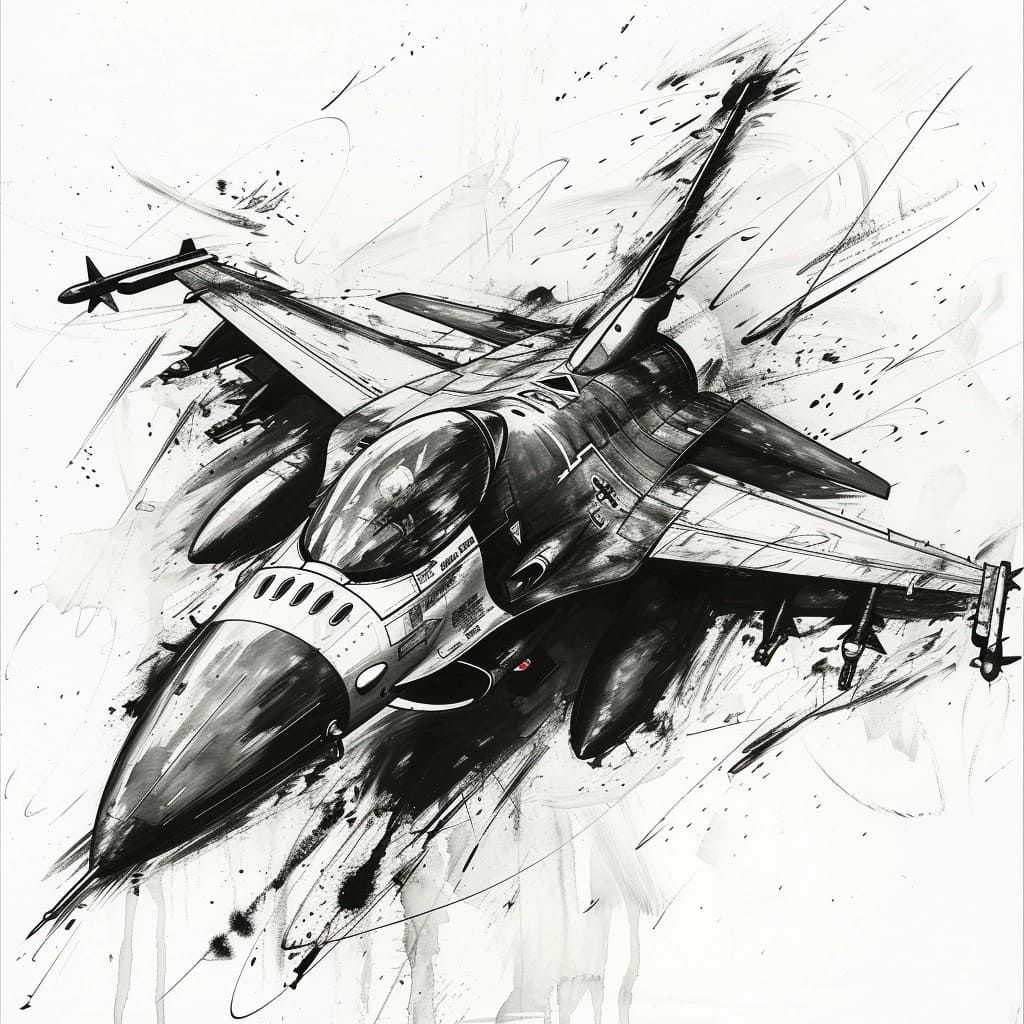
The US Air Force, together with the Defense Advanced Research Projects Agency (DARPA), has recently achieved a breakthrough in machine learning within the aviation industry. This was recognized when they became finalists for the 2023 Robert J. Collier Trophy, marking the dawn of the machine learning era in aerodynamics. Their joint work has focused on implementing advanced artificial intelligence algorithms in the X-62A VISTA aircraft, as part of DARPA's Air Combat Evolution (ACE) program.
Pioneering Work in Autonomous Air Combat
US Secretary of the Air Force Frank Kendall recently described this as a transformational moment in fighter aviation, where autonomous air-to-air combat has gone from a distant dream to reality. According to plan, he will personally take part in an upcoming test flight in the X-62A VISTA to witness the AI technology's performance in a simulated combat environment.
From AI Installation to Dogfight
In less than a year, the team behind the project has carried out over 100,000 critical software changes across 21 test flights. Their work culminated in the first-ever within-visual-range air combat between AI and human, where the X-62A VISTA successfully faced off against manned F-16 aircraft. Initial safety testing focused on defensive maneuvers before moving on to offensive direct confrontations.
Future Outlook and Impact
This historic use of machine learning in critical flight systems lays the groundwork for future advances in both commercial and defense-related aviation. Col. James Valpiani, commandant of the Test Pilot School, highlights that the results from the X-62A ACE team offer a new paradigm for the safe and responsible use of autonomous technology.
A Robust Collaboration
The ACE program is the result of collaboration between academia, government, and the private sector. Academic partners include Johns Hopkins University and MIT's Computer Science and Artificial Intelligence Laboratory, while industry partners include companies such as Lockheed Martin Skunk Works and Shield AI.