The World's Copper Shortage Is Being Made Worse by AI and Data Centers
Mining giant BHP warns that global demand for copper could rise dramatically due to the growing use of AI and data centers. This could worsen the already-predicted copper shortage, prompting mining companies to intensify their search for new deposits to secure future supply.
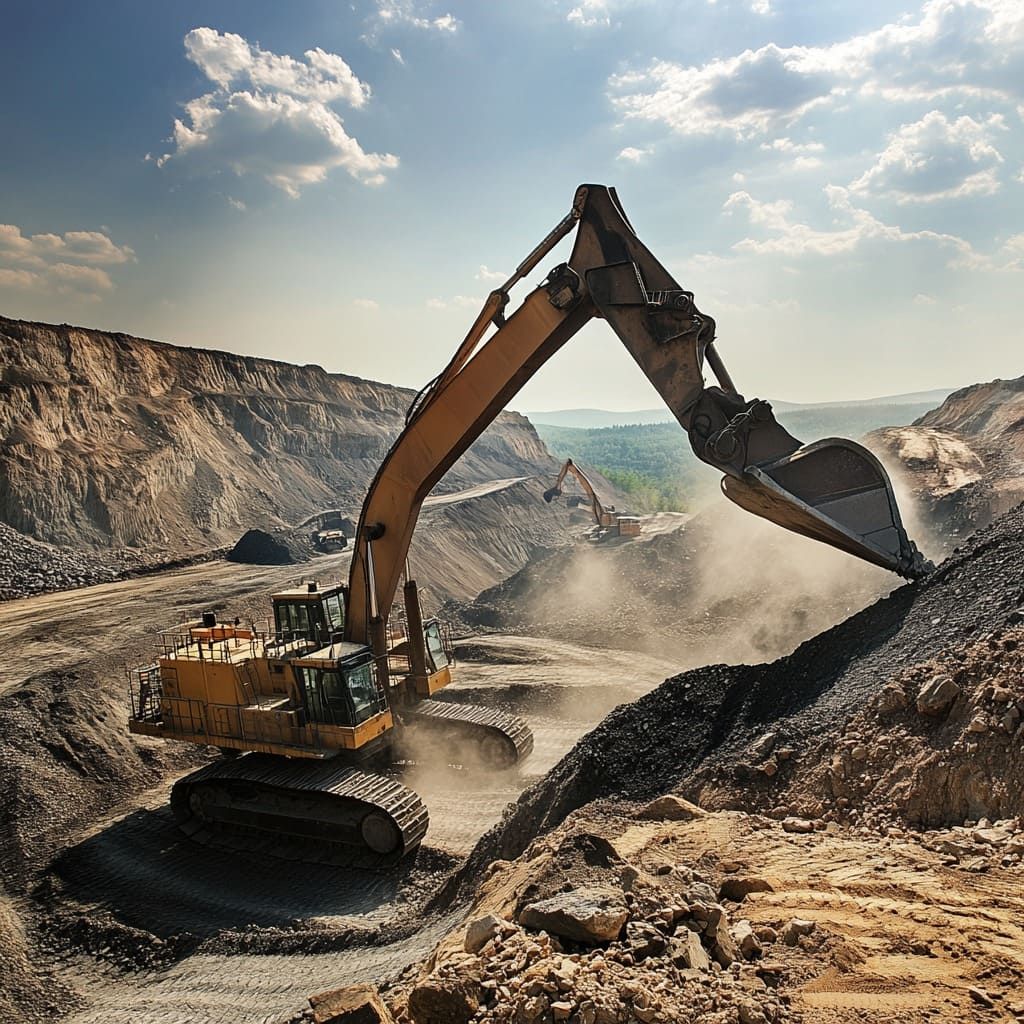
According to BHP, the world's largest mining company, the rise of AI and data centers will increase global demand for copper by as much as 72 percent by 2050. This growth is driven by the need for advanced computers and more energy, which, according to BHP's CFO Vandita Pant, translates into increased demand of 3.4 million tons of copper. Currently, data centers account for less than 1 percent of global copper consumption, but that's expected to reach 6-7 percent by 2050, according to the Financial Times.
Copper - The "New Oil"
Bloomberg predicts that data centers in North America will increase their copper consumption by 3 percent per year through 2035. The US is also planning to grow its mining workforce and develop a strategy to secure critical minerals. Goldman Sachs has called copper the "new oil" because of its crucial role in global electrification and climate goals. Copper is used in many industries, including power cables, electric vehicles, and solar energy.
Mining Companies' Race for Copper Deposits
To secure future copper supply, mining companies are stepping up their efforts to acquire new mines. Earlier this year, BHP tried to buy Anglo American for £39 billion, but the bid was rejected because it was seen as undervaluing Anglo American and creating an overly complex corporate structure. BHP had more success in July, however, joining forces with Lundin Mining to buy exploration company Filo for $3 billion.
Copper's Role in Future Power Supply
Many analysts expect a global copper shortage in the medium to long term. Even as data centers themselves become less copper-intensive, the electricity supply feeding them remains highly dependent on copper, according to Colin Hamilton, commodities analyst at BMO Capital Markets. Meanwhile, weak demand in China has weighed on copper prices, which are now down 15 percent from their peak in May. BHP forecasts a copper surplus both this year and next before demand picks up toward the end of the decade. Goldman Sachs has also revised its forecast, lowering its expectations for the copper price in 2025.



