The Swedish Social Insurance Agency's AI Discriminates and Leaves the Vulnerable Out in the Cold
The Swedish Social Insurance Agency's use of AI to sort applications for childcare leave reveals a disturbing reality. Women and people with a foreign background are flagged as suspected fraudsters by algorithms that reinforce bias. Can we trust a state that lets machines decide our rights?
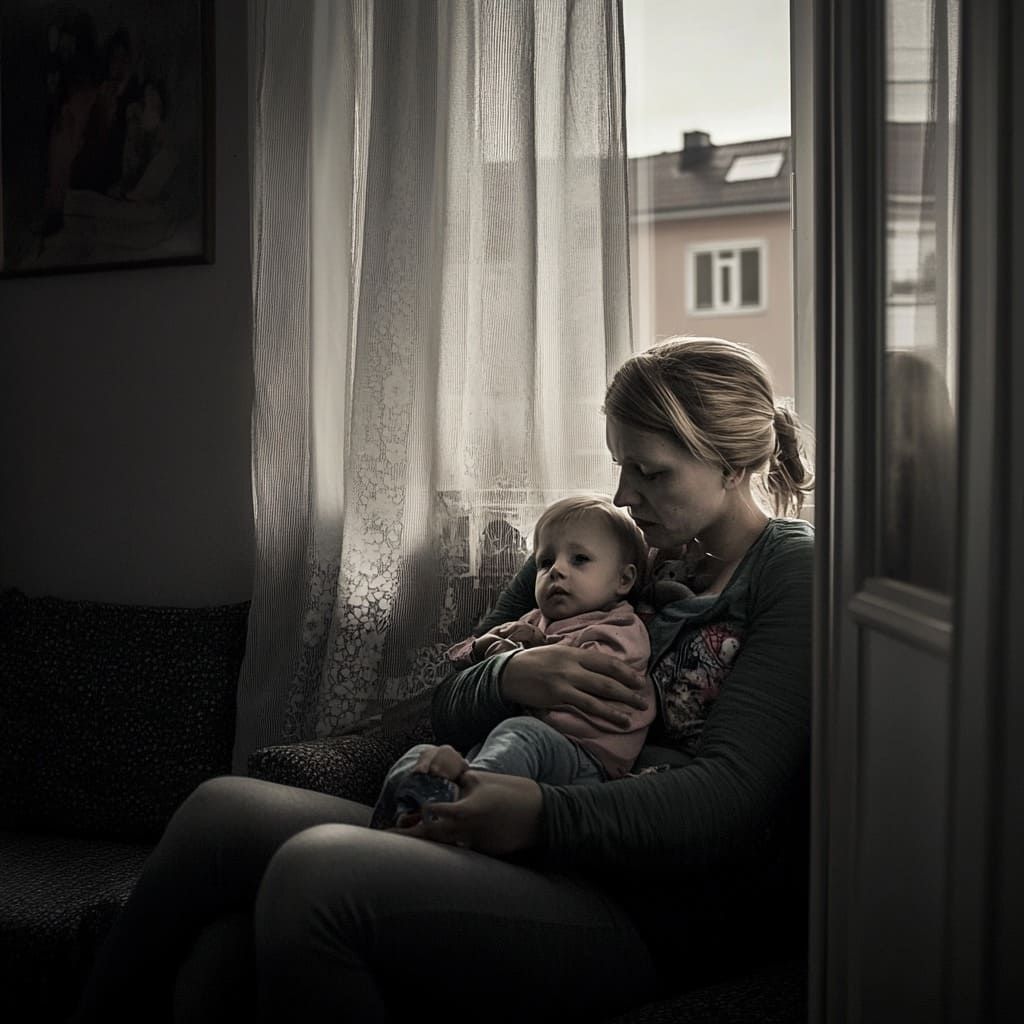
Svenska Dagbladet recently revealed that the Swedish Social Insurance Agency (Försäkringskassan) uses AI tools to sort applications for temporary parental benefit (VAB). The algorithms often appear to flag women, low-income earners, and people with a foreign background as potential fraudsters, which can lead to long wait times and investigations for single parents with no reasonable grounds. This has raised questions about due process and bias in AI use.
Machines Reinforce Human Bias
AI algorithms can only imitate people, not think for themselves. When they're trained on our laws and norms, they also absorb our biases. This means decisions made by AI can be anything but neutral. Without transparency into how the Social Insurance Agency's algorithms work or are trained, it's hard to trust that they handle applications fairly.
AI in the Wrong Hands - A Societal Challenge
AI is a powerful tool that can handle large amounts of data and simplify processes. But it's not well-suited for tasks that require interpretation, or where decisions have far-reaching consequences for people. The tool lacks the ability to justify its decisions and therefore can't be held accountable - a fundamental principle of due process in public administration.
Politicians Use AI Too - and Follow the Same Pattern
AI use isn't limited to government agencies. Dagens Nyheter recently revealed that a member of parliament used ChatGPT to draft 180 questions to the government. It's a worrying trend, with AI being used in contexts where human judgment ought to be central.
Can We Trust AI-Run Government Agencies?
The use of AI in government functions raises a fundamental question of trust. Sweden is built on the idea that the state should protect its citizens and make fair, impartial decisions. When algorithms replace caseworkers, that trust is undermined. Should we really accept computer programs sorting applications and deciding our rights?