The Hidden Cost of Manual Time
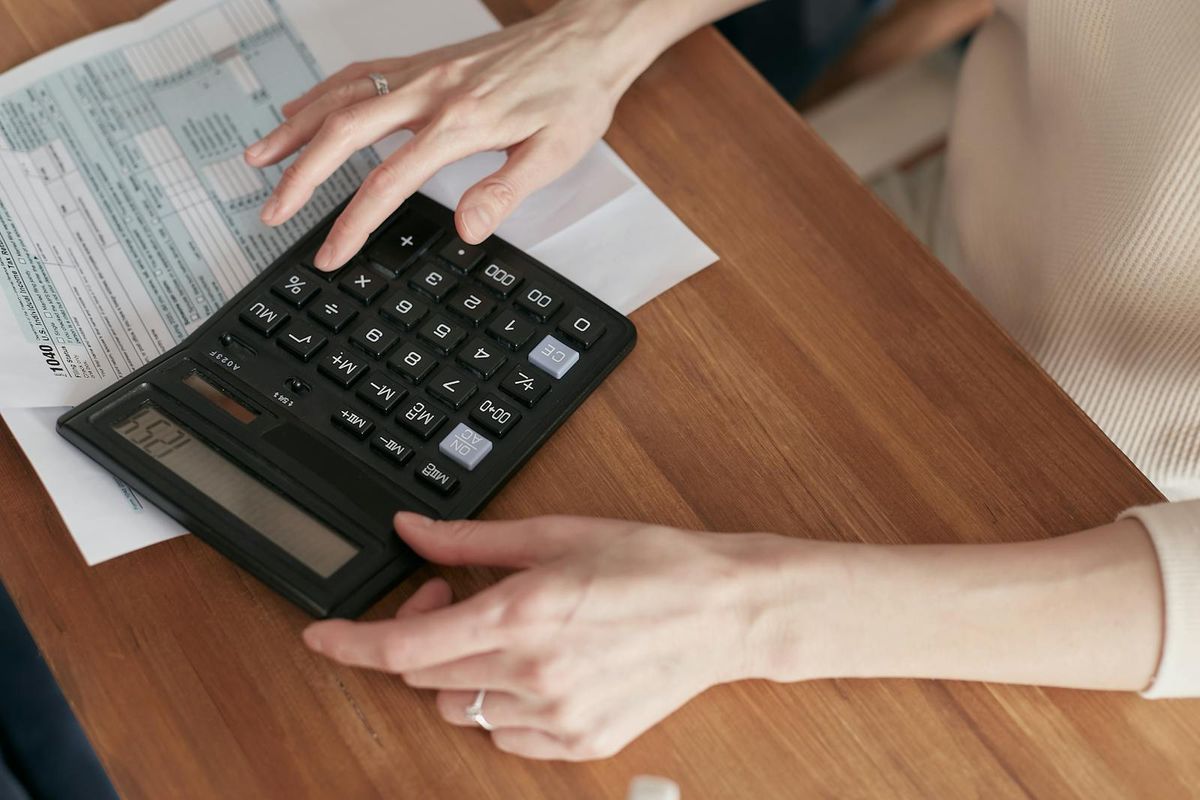
The micro-tasks we never count. The formula is brutal in its simplicity: frequency × minutes × team size = lost weekly hours. Example: 20 times × 2 minutes × 10 people = 400 minutes. That's 6h 40m. Every week. Or 26h 40m every month. On "small stuff." Calculate your five most common tasks
How Small Teams Quietly Lose a Day a Week to Routine Work, and What You Can Do About It
The small stuff sneaks up on us. Copy-paste, status updates, quick drafts, and inbox triage each take 10-90 seconds. But when the day fills up with hundreds of these micro-moments, the total grows fast. In addition, every context switch costs something. Research shows task switching creates "mental micro-pauses" that eat into productive time (American Psychological Association). Meanwhile, Asana's Anatomy of Work points out that "work about work" - coordination, searching, meetings - takes up an unreasonably large share of the workday. That's why the manual tax feels diffuse in the moment but heavy in the total. And yes, you notice it clearly every Friday afternoon.
Do the Math in 15 Minutes - Calculate the Manual Work
- List the five tasks you repeat the most (per person).
- Estimate time per instance (minutes) and frequency per week.
- Multiply: frequency × minutes × team size = lost weekly hours.
Rule of thumb: if a task recurs 10+ times/week, simplify or automate it. Microsoft's Work Trend Index 2023 shows that a lack of focus time chokes knowledge work - many lack both the time and energy for what matters most. So: cut the noise, free up focus, and let the hours work for you, not against you.
Five Experiments to Try Over the Next 7 Days
1) One-Click Meeting Notes From Agenda Items
Write agenda bullets before the meeting. Record or transcribe if needed. Let an AI tool suggest decisions, actions, and owners. Then a human reviews and sends it.
2) Auto-Summaries of Long Email Threads
When decisions get stuck in threads: generate a 5-point summary with open questions and suggested next steps. The manager approves or adjusts, and you move forward.
3) Draft-First Reports
Start with a sharp outline. Let AI fill in the first version with text and sources. Then a human edits tone, data, and conclusions. Generative AI can speed up first drafts significantly in text-heavy workflows.
4) FAQ Responder for Support and Internal Slack
Feed a light bot with existing documentation. It suggests answers and links. The human hits "send." This way, you reduce interruptions and improve first response time.
5) Data Cleanup Before Import
Introduce a simple checklist and a "cleaner" that standardizes names, dates, and IDs before import. Fewer errors in means fewer errors out. The result: fewer returns and less rework.
Quality, Security, and Trust
- Human-in-the-loop: humans approve drafts, decisions, and responses.
- Red flag rules: stop automation for personal data, payments, and policy deviations.
- Never automate judgment: let AI gather, suggest, and structure while humans evaluate.
The Swedish Agency for Digital Government (DIGG) emphasizes risk analysis, traceability, and human oversight when using AI. In addition, GDPR applies to personal data; automated decisions require special care (Swedish Authority for Privacy Protection).
Mini Vignettes (Hypothetical Examples)
Creative agency, 12 people: before - Friday report takes 4 hours. After - AI draft + template: 45 minutes (human editing and source-checking).
SaaS startup, 8 people: before - Slack support interrupts development. After - FAQ suggestions: 30% fewer interruptions and faster first response.
E-commerce, 6 people: before - manual CSV imports cause errors. After - pre-validation of name/date/ID: fewer returns and less rework in finance.
The Toolbox: The Lightweight Stack
Templates and prompt libraries instead of heavy platforms.
Simple buttons/scripts in tools you already use (email, spreadsheets, project tools).
Log and owner for every automation.
A 30-day "sunset policy": shut down anything you're not using within 30 days, so you avoid tool bloat. (Both Asana and Microsoft show how standardized workflows reduce "work about work.")
Wrap-Up: Invest the Time You Win Back

When manual work goes down, you put the hours where they make the biggest difference: customer interviews, roadmapping, and creative work. And yes, you feel the momentum right away. Fewer interruptions, clearer processes, and better pace too.
Want to know more? Contact us at Nordisk Ai and we'll help you.



