Tesla's Robotaxi Launch Falls Flat
Tesla's highly anticipated reveal of the Cybercab robotaxi lacked key details, handing competitors an edge in the autonomous vehicle market.
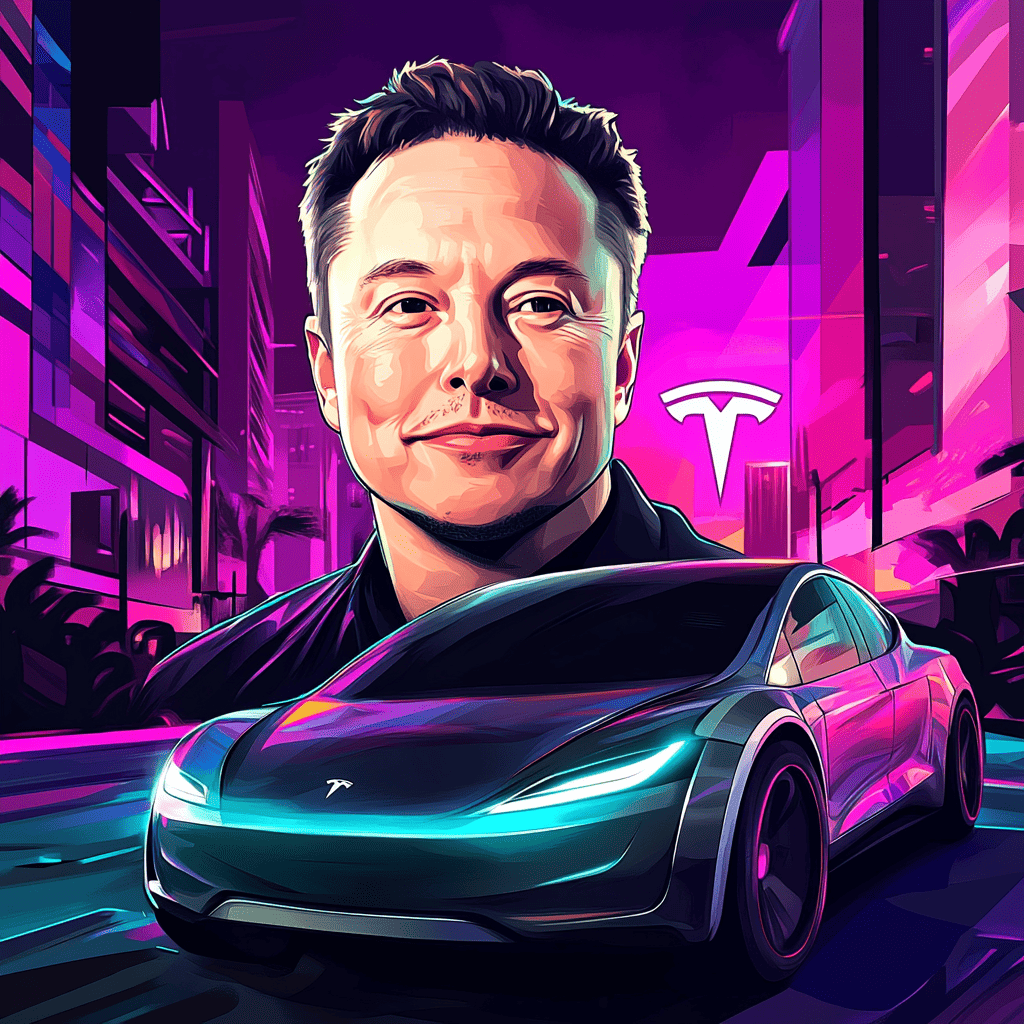
Tesla's highly anticipated presentation of the futuristic robotaxi Cybercab was meant to showcase the company's leadership in autonomous transport. Instead, the event was met with skepticism from investors and industry analysts. Despite CEO Elon Musk's promises of groundbreaking technology and a $30,000 price tag for the robotaxi, the excitement was overshadowed by the lack of concrete information.
Investors had hoped for updates on Tesla's self-driving technology and how the company is handling regulatory challenges, but the details never came.
The Market Reacted Negatively
After the presentation, the market reacted quickly. Tesla's stock price dropped 10%, and the company lost a full $58 billion in market value. Ongoing uncertainty around full autonomy and unresolved regulatory questions raised concerns about Tesla's future competitiveness in the rapidly growing self-driving vehicle market.
Why the Launch Fell Flat
One of the biggest criticisms was the lack of clarity on operational details. Musk did emphasize the Cybercab's minimalist design and appealing price, but he sidestepped key questions. Investors and analysts expected timelines for production and rollout, as well as an update on Tesla's Full Self-Driving (FSD) system, but no such announcements came.
This isn't the first time Tesla has missed the mark on autonomous vehicles. Back in 2019, Musk predicted a million Tesla robotaxis would be on the road by 2020 - a goal still far from being realized. The recurring delays and lack of substantive updates at the robotaxi event deepened concerns that Tesla lacks the technical and regulatory foundation to reach its ambitious goals.
Competitors Are Gaining Ground
While Tesla struggles to get its robotaxi off the ground, competitors like Waymo, Cruise, and Uber are making major strides in autonomous transport. Waymo, for example, already has self-driving taxis operating in Phoenix, and Cruise is expanding its fleet of autonomous vehicles in cities like San Francisco. These companies are focused on regulatory compliance and transparency, and are already offering solutions that work in the real world.
Uber, which has also had autonomous vehicles on its agenda for several years, saw its stock rise after Tesla's failed launch. Competitors are now closing the gap with Tesla by delivering real progress on safety and regulatory approvals - decisive factors for autonomous vehicles to gain widespread acceptance.
Conclusion
Tesla's failed Robotaxi launch, which lacked concrete details and timelines, has opened the door for competitors like Waymo and Cruise to take the lead in autonomous transport. While Tesla continues to struggle to deliver on its promises, these companies have shown progress on both technical and regulatory fronts, which could shift the balance in the autonomous vehicle market.
Subscribe for more insights on the latest AI tools and stay up to date!



