Sweden's AI Revolution Threatened by Energy Shortage
Sweden's AI revolution is threatened by an electricity shortage, posing a critical bottleneck for continued expansion. New European rules on data center energy consumption and growing demand for rented server solutions create both challenges and opportunities for Sweden
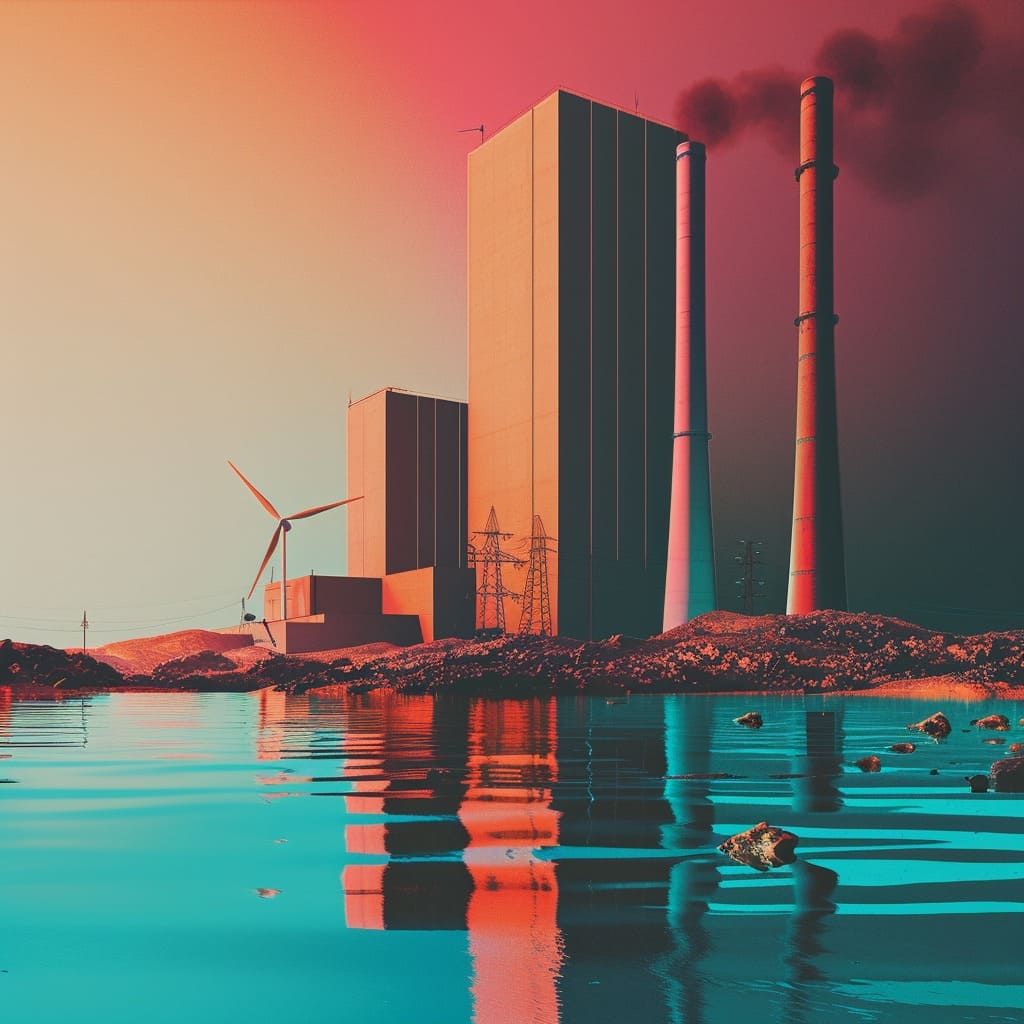
With the rapid development of artificial intelligence (AI), demand for data center capacity is increasing significantly. Europe is introducing new reporting requirements for data center energy consumption, creating both challenges and opportunities for Sweden. Sweden's electricity shortage, however, poses a critical bottleneck for continued expansion.
New European Energy Rules
To manage the growing need for computing power, a reporting requirement is now being introduced for data centers across Europe with energy consumption above 500 kilowatts. This includes measuring Power Usage Effectiveness (PUE) to increase transparency and awareness of data centers' energy impact.
Sweden's Competitive Advantages and Challenges
Pär Åberg, chairman of the Swedish Data Center Industry Association (SDIA), believes Sweden has advantages with fossil-free electricity and a lower CO2 footprint. However, the country faces an electricity capacity shortage, which is hindering further development. After the initial wave of data center establishments from major players like Facebook and Microsoft, growth has slowed. Google recently announced an investment of nearly 12 billion kronor in its data center park in Finland, demonstrating the growing competition in the Nordics.
Growing Demand for Rented Server Solutions
Conapto, a leading provider of rented server capacity, is seeing growing demand from companies looking for cost-effective, sustainable IT solutions. Founder Stefan Nilsson points out that more companies are now realizing the benefits of renting rather than building their own server halls, which is both economical and sustainable.
Challenges for Continued Growth
Despite the growing demand, Conapto faces challenges finding suitable locations and access to power for new facilities. The company only builds facilities in Stockholm because of the city's well-developed district heating network, which is unique in Europe.



