Project Management 2.0: AI for Planning, Budget, and Delivery
Project Management 2.0 - From meeting-heavy routines to AI that keeps the pace. Small companies can now plan, track, and deliver with the same precision as large corporations, without switching systems.
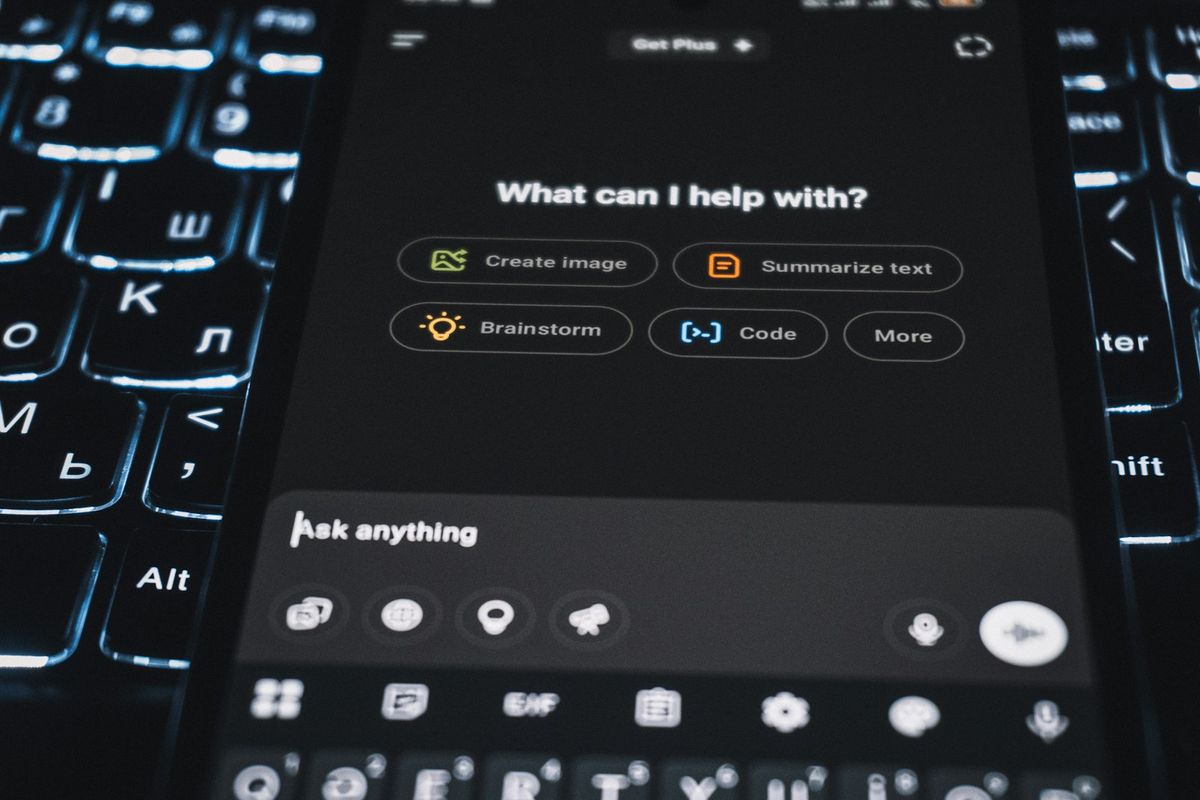
Leaving manual follow-up behind for AI-assisted project management is now fully possible for smaller teams. At the same time, Project Management 2.0 delivers faster releases, better budget discipline, and clearer priorities without extensive tool changes. This gives decision-makers a practical guide that connects AI assistants to goals and KPIs within weeks.
Here Are 5 Concrete Steps to Get Started With Project Management 2.0
Step 1 - Set Goals and KPIs the AI Can Optimize Toward
Start with 2-3 business-relevant KPIs that can be measured directly:
- Delivery precision (plan vs. actual completion date)
- Lead time or cycle time per task
- Budget variance and burn rate
- Capacity utilization per role
Create a clear project brief template with goals, milestones, risks, and a decision forum. With the help of AI assistants in Microsoft 365 Copilot or Google Workspace Gemini, the team can generate, update, and summarize plans directly in documents, chats, and meeting notes. This makes planning faster and more precise, a first step toward Project Management 2.0.
Step 2 - Automate Status Updates and Summaries
Free up time from status meetings by letting AI tools create:
- Weekly summaries per project
- Blockers and decisions that need escalation
- Next steps per owner, linked to deadlines
Asana Ai generates status reports and suggests next actions, while Atlassian Intelligence pulls insights from Jira and Confluence. In addition, Notion AI can automatically summarize project and meeting notes.
When status updates and summaries run automatically, the team becomes both faster and more focused.
Step 3 - Risk Identification and Early Warning
Train your AI assistant to recognize risk patterns such as:
- Tasks that have passed their due date
- Low update frequency in critical threads
- Repeated rescheduling in the same workflow
- Tone in comments signaling a blocker
Ask the AI to create a weekly "early warning" report tied to your KPIs, for example, if delivery precision starts to drop.
The features already exist in platforms like Asana and Atlassian, making risk management easier and entirely free of extra manual work.
Step 4 - Resource Suggestions and Planning
Let AI suggest staffing based on skills, history, and workload. In practice, this means:
- AI selects owners and reviewers when you create a task
- Workload overviews show capacity and suggest rescheduling
- Meeting notes get turned into tasks with deadlines
In Microsoft 365 environments, Copilot helps you create and update plans, while Asana and Notion suggest dependencies directly in the tool.
The result? A more balanced workload and clearer division of responsibility, in other words, the core of Project Management 2.0.
Step 5 - Linking to Budget and Follow-Up
Tie time and cost to project flows to get full control:
- Track budget against milestones, let AI warn of trend breaks
- Pull invoice data and time reports via integrations
In the Nordics, PM tools are often connected to Fortnox or Visma Spcs to sync costs and revenue. In addition, you get real-time insight into budget variances since the numbers flow automatically between systems, entirely without duplicate work.
GDPR and AI Ethics in Practice

To work responsibly with AI, you should:
- Minimize personal data in project cards
- Ensure data storage within the EU/EEA or conduct a DPIA
- Review vendors' data processing and logging
Follow IMY's guidance and keep an eye on the EU AI Act, which requires transparency and risk management even in cloud-based AI services.
This way, it becomes a natural part of responsible Project Management 2.0.
Measure, Learn, and Scale in Project Management 2.0 - A 30-Day Pilot
- Week 1: Choose a project, define KPIs, and activate AI features. Set up reports for summaries and risk.
- Weeks 2-3: Run it live. Compare actual lead time and delivery precision against your baseline. Adjust templates and prompts.
- Week 4: Evaluate. Add budget linking and more teams.
Want to dive deeper into AI tools and workflows? Explore Nordisk Ai's tools and guides. For more cases and perspectives, see Nordisk Ai News.



