Microsoft Urges Employees in China to Consider Moving Abroad
Microsoft is asking employees in China to consider relocating abroad due to rising tensions between China and the US. This primarily affects engineers working in machine learning and cloud services.
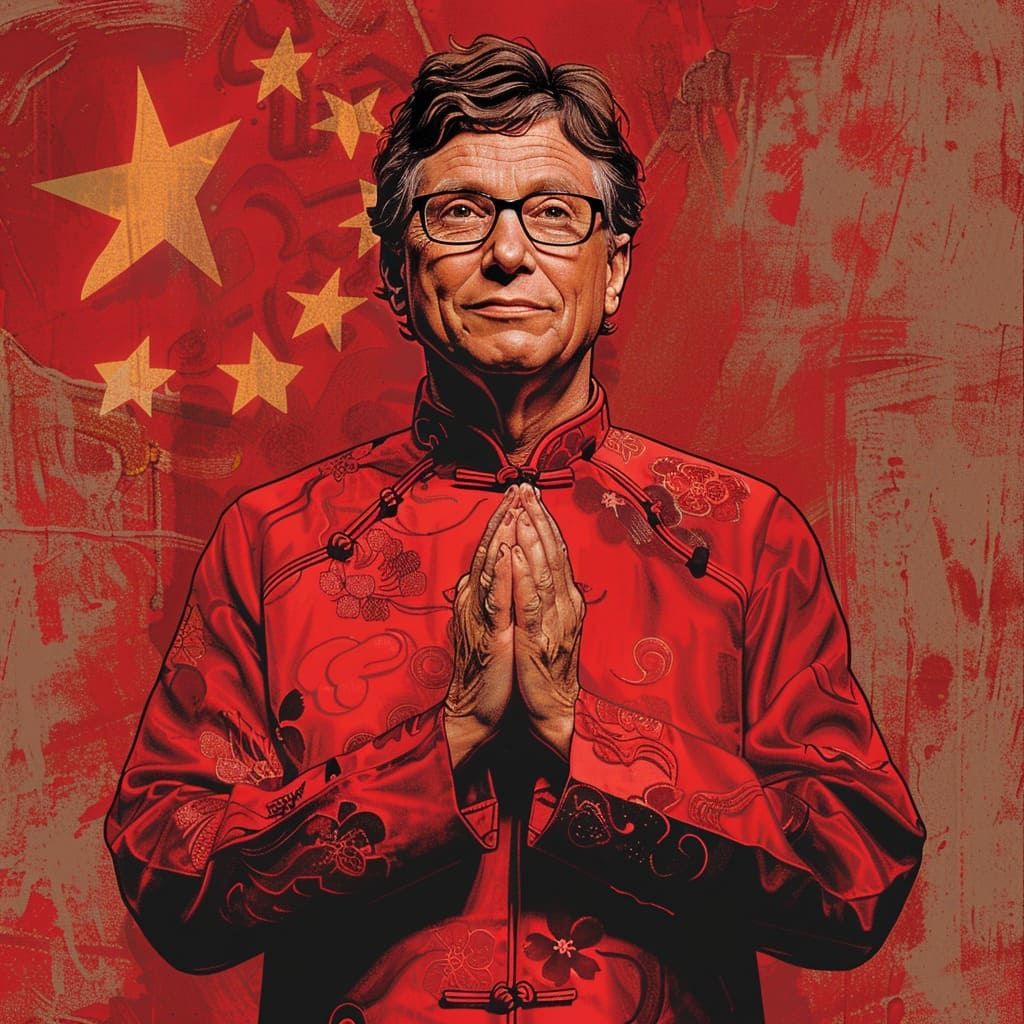
According to Reuters Microsoft (MSFT.O) has asked some of its employees in China to consider relocating abroad, according to a statement from the company on Thursday. This comes at a time when relations between China and the US are deteriorating due to competition in advanced technology.
Deteriorating Relations Affect American Companies
Washington has sought to limit Beijing's access to advanced chips used in AI applications, citing concerns they could be used to strengthen China's military. This measure has increased tensions and put pressure on American companies operating in China.
According to the Wall Street Journal, which first reported the news, Microsoft has asked around 700 to 800 employees working in machine learning and other cloud-based computing to consider relocating.
Option for Internal Relocation
"Offering internal opportunities is a normal part of managing our global operations. As part of this process, we have shared a voluntary internal relocation opportunity with a subset of our employees," a Microsoft spokesperson said in an emailed statement, without specifying the number of employees who received this offer.
Microsoft's Continued Commitment to China
Microsoft remains committed to China and will continue to operate there as well as in other markets, according to the spokesperson. The company, one of the largest American firms with a presence in China, entered the market in 1992 and runs a major research and development center in the country.
International Relocation Options
The employees, mostly Chinese-national engineers, were offered the option earlier this week to relocate to the US, Ireland, Australia, and New Zealand, the Wall Street Journal reported, citing people familiar with the matter.
The Impact of New US Tariffs
Reuters could not immediately verify this information. The move comes just days after US President Joe Biden's administration raised tariffs on various Chinese imports, including electric vehicle batteries, computer chips, and medical products.
Earlier this month, Reuters reported that the US Department of Commerce is considering a new regulation to restrict the export of proprietary or closed-source AI models, whose software and training data are kept secret.



