Is Talking to Animals the Next Frontier for AI?
Artificial intelligence is opening doors to a deeper understanding of animal communication. By analyzing vocalizations and behaviors in species like blue whales and honeybees, AI is giving researchers insights that could change both conservation and how we interact with animals.
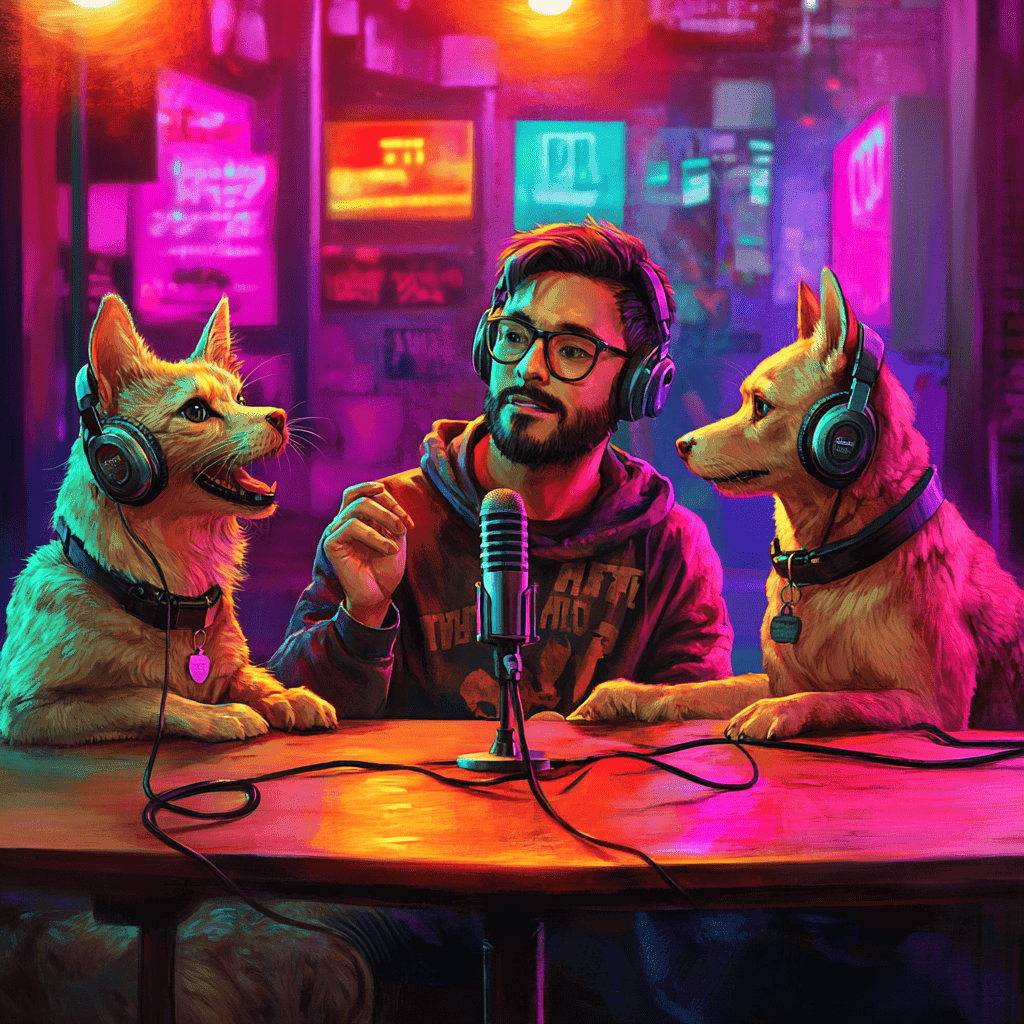
For decades, researchers have tried to understand animal communication, but it's only recently that artificial intelligence (AI) has truly begun to revolutionize this field. With advanced machine learning algorithms, we're getting closer to deciphering animal language, and AI is now being used to analyze sounds, movements, and signals from different species, giving us insight into their communication.
Experts believe we could soon be facing a time when two-way communication with animals becomes reality, something that could have major consequences for both animal welfare and conservation.
AI's Potential to Decipher Animal Language
AI is especially good at identifying patterns in large datasets - a key component for understanding how animals communicate, and researchers at Earth Species Project (ESP) have developed AI systems that analyze animal vocalizations and behaviors. These systems process enormous amounts of audio and image data to determine under what circumstances animals communicate and how they respond to each other, with one standout example being recordings of blue whales, which have been used to identify different populations based on their unique sound signatures - an important advance for conservation efforts.
AI's pattern recognition ability has also been used to study a range of other species, from dolphins and elephants to birds and insects, and one example is honeybees' "waggle dance," which shows other bees where to find food. With AI, researchers can better understand their complex communication, which in turn helps protect their ecosystems.
How AI Could Change Conservation Efforts
One of the most promising applications of AI in animal communication is its potential to strengthen conservation efforts; by understanding how animals communicate, researchers can gain deeper insight into their behaviors and make better decisions about how to protect endangered species. For example, AI is being used to monitor endangered species like blue whales and elephants and to map their social structures, and this information lets conservationists create protective measures tailored to specific populations, improving their chances of survival.
AI could also play a crucial role in reducing conflicts between humans and wildlife. By understanding when and why animals send warning signals, conservationists can prevent harm caused by things like poaching or human encroachment into animal habitats.
Can AI Really Help Us "Talk" to Animals?
Even though the idea of being able to talk to animals sounds like science fiction, some experts believe AI could actually make this possible in the future. AI could function as a "ChatGPT for animals," predicting the next sound or gesture based on the animal's past behavior.
Although it could be a while before we fully understand animal language, recent advances in AI-driven speech recognition show we're well on our way, and such a breakthrough could change how we relate to nature and deepen our empathy for animals and their ecosystems.
Challenges and Ethical Considerations
Despite AI's potential, there are major challenges to communicating with animals, and their communication systems often differ drastically from human language and can be highly context-dependent. AI is good at detecting patterns, but understanding the emotional or ecological meaning behind those patterns is much harder. There are also ethical risks in exploiting this technology, since poachers, for example, could use AI to mimic mating calls and lure in endangered animals, posing a serious threat to wild populations.
Conclusion - AI's Future Key to Animal Communication
Artificial intelligence offers a fascinating, groundbreaking opportunity to understand and communicate with animals in a way previously unthinkable for researchers. By analyzing animals' vocalizations, subtle movements, and complex behaviors, AI is opening new doors to a much deeper understanding of their communication systems and ways of expressing themselves, and this in turn has the potential to not just change how we as humans interact and relate to animals, but also provide crucial insights that could improve and strengthen the conservation of endangered species around the world.
Although we still have a long way to go before we can hold full conversations with animals, recent advances in AI technology point to us approaching a new era of animal communication - an era that could change both our view of nature and how we actively work to protect it and its inhabitants.
Subscribe for more insights on the latest AI tools and stay up to date



