Is Art Under Threat From Generative AI?
Mass-producing AI art is easy these days. But what is art, and is it under threat from AI? Is the fear of AI art justified, and how is the technology changing our sense of what art really is?
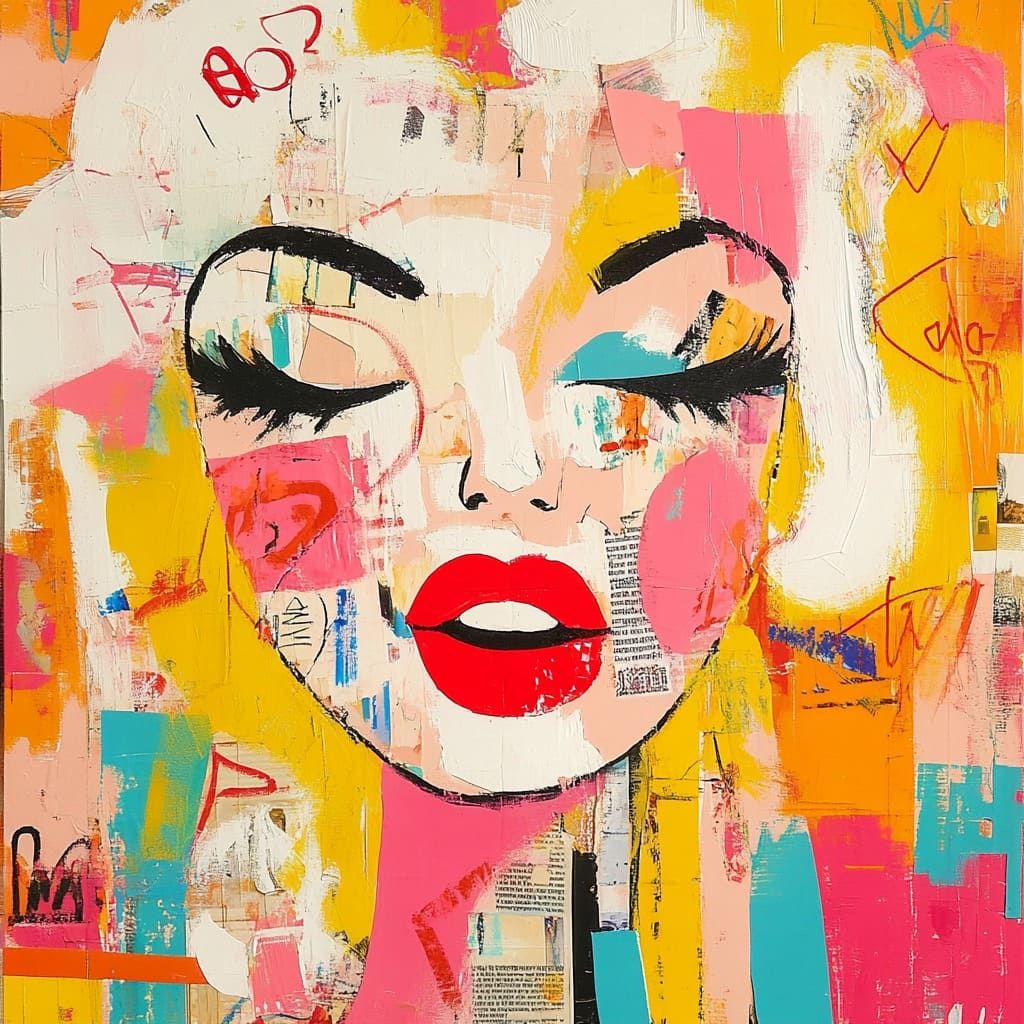
AI's entry into the art world has sparked debate, and some artists feel threatened by the technology. Scottish artist Michael Forbes went so far as to destroy his own work in protest of AI's impact on art. He argues that generative AI, which creates new content, undermines the artist's work and is forcing many in the industry to give up their careers. But is the fear of AI art justified, and how is the technology changing our sense of what art really is?
AI Lacks True Creativity, According to AI Researcher Palle Dahlstedt
Palle Dahlstedt, a researcher in AI and creativity, points out that despite AI's ability to create complex images, music, and text, it often lacks true creativity. Dahlstedt, who has a background as a composer and improvisational musician, argues that art depends on a human process in which the artist plays a central role. While AI can produce results without personal signature, traditional art-making involves a deeper connection between artist and tool. An artist has a process built on their own experience with a purpose in mind. Brushstrokes are part of the process of reaching that purpose (the artwork), and this is something AI today lacks.
AI as a Tool, Not a Replacement
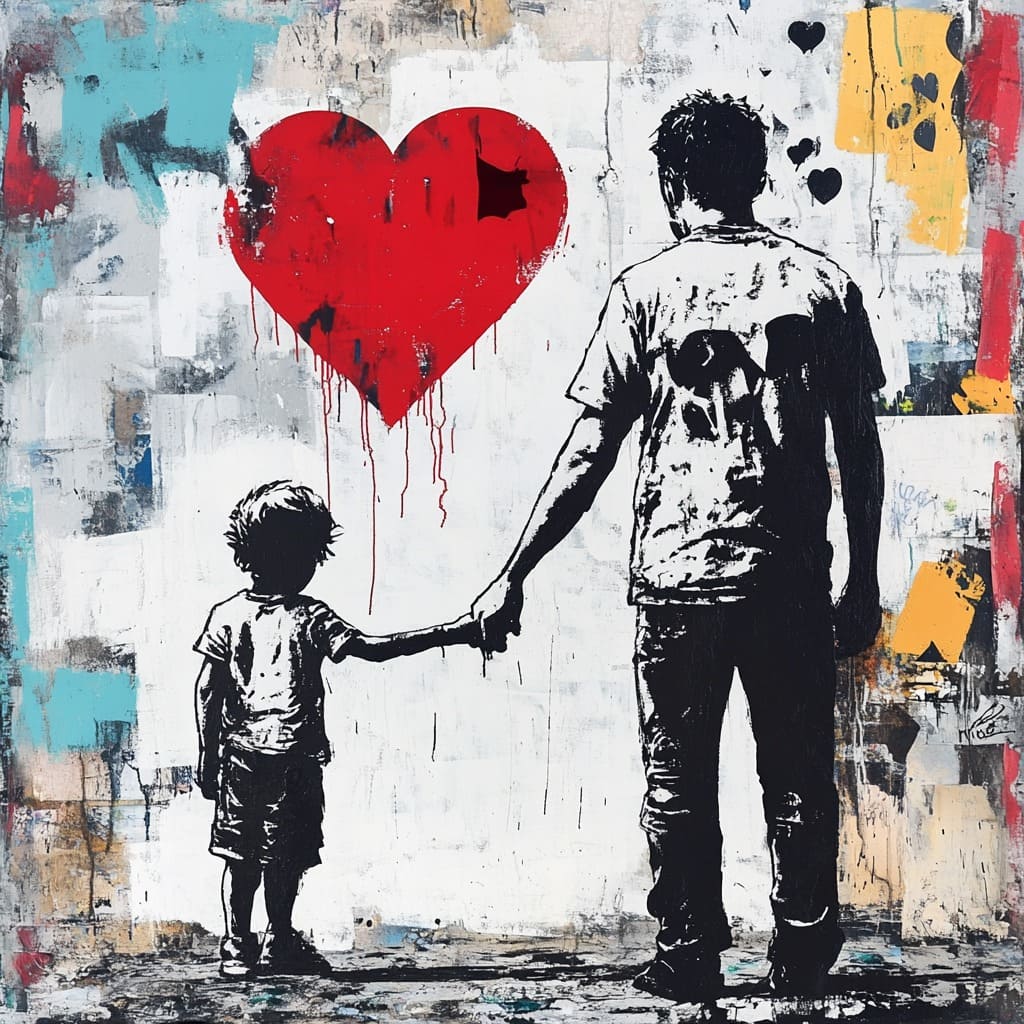
AI creator Annika Bäckström argues that AI should be seen as part of the artist's toolbox rather than a replacement. She believes AI's involvement doesn't necessarily diminish artistic value but instead streamlines and broadens the creative process. Bäckström emphasizes that artistic integrity is preserved through skillful use of AI, meaning the artist still leaves their mark on the work.
Challenges With AI-Created Art
Despite the technical potential, there are also aesthetic challenges. Generative AI tends to amplify the commonplace and simplify artistic expression, which can lead to a homogenization of art forms. Dahlstedt warns that once AI starts training on its own output, quality risks declining, which can lead to a collapse of the AI model. To counter this, it's necessary to constantly feed in new, relevant data, something that could benefit traditionally created art and increase its value.
Human Guidance of the Technology Is Crucial
According to a survey by Insight Intelligence, Swedes are generally positive toward AI-generated culture, but the question remains whether we can enjoy these works the same way we enjoy traditional art. Dahlstedt believes the human factor is crucial to preserving the relevance of a work of art. Experiencing art isn't just about the visual, it's also about understanding and sensing the artist's presence and the choices made during creation.
AI in the Art of the Future
With AI's rise in the art world, it's clear that the future balance between technology and human creativity will play a decisive role. Its potential to contribute new forms of expression is undeniable, but it's equally clear that human creativity and the process behind creating art can't be replaced. To ensure artistic diversity and quality, the human factor must remain a central part of the creative process.



