EU Backs Down From AI Regulations After Harsh Criticism
The EU is withdrawing several tech regulations after intense pressure - but does this mean a win for innovation or a loss for consumer protection? How does this affect Europe's role in global AI development?
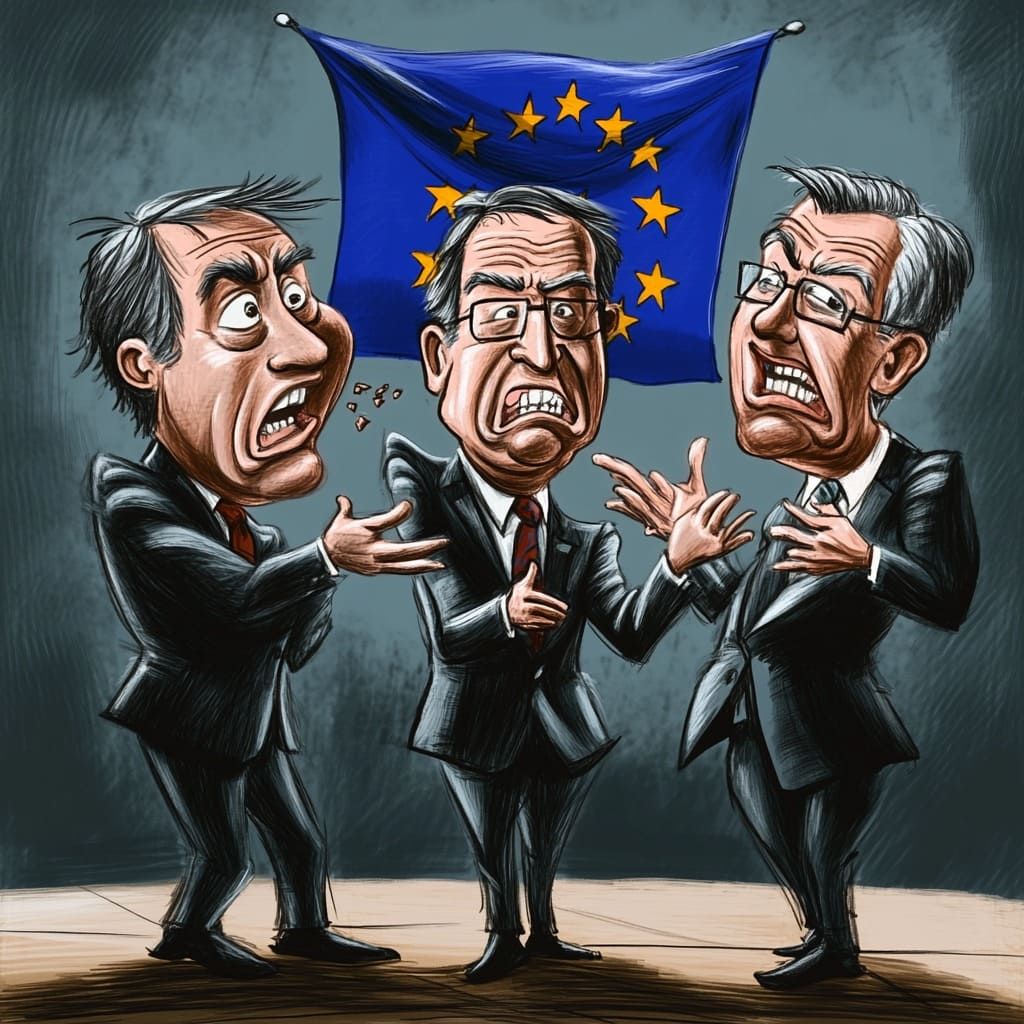
Following the AI Action Summit in Paris, the European Commission is withdrawing several controversial tech regulation proposals. The decision comes after intense lobbying from tech companies and sharp criticism from US Vice President JD Vance, who questioned the EU's strict regulatory approach.
Telecom Patent Regulation Scrapped
One of the scrapped proposals concerned regulating standard-essential patents (SEPs) for technology used in things like telecom equipment, mobile phones, computers, and smart devices. The goal was to reduce lengthy litigation around patent licenses.
The decision to withdraw the proposal is welcomed by tech giants like Ericsson, Nokia, and Siemens, who believe the regulation would have damaged Europe's innovation climate. Nokia writes in a statement to Reuters:
"It would have had a negative impact on the global innovation ecosystem, particularly the incentives for European companies to invest billions of euros every year in R&D."
Meanwhile, reactions are mixed. Fair Standards Alliance, with members like BMW, Tesla, Google, and Amazon, criticizes the decision:
"It sends a terrible signal to innovative companies that rely on a predictable, fair SEP licensing system."
AI Liability Directive Withdrawn
The European Commission is also abandoning the planned AI Liability Directive, which aimed to update the EU's product safety rules to cover AI technology. The Commission cites a lack of predictable agreement within the union as the reason for the decision. Instead, a new proposal or alternative approach may be considered in the future.
ePrivacy Regulation Scrapped
The third scrapped proposal concerns the debated ePrivacy Regulation, which would have updated the rules around tracking technology and users' privacy online. The proposal was meant to extend data protection under the same principles as GDPR, which would have meant services like WhatsApp and Skype were covered by the same rules as telecom companies.
The European Commission has now announced the proposal is officially dropped:
"The proposal is outdated given the recent legislative developments in both the technical and legal fields."
What Does This Mean for the Tech Industry?
The EU's retreat from these regulations is seen as a win for big tech companies but also raises questions about the future of consumer rights and the innovation climate. Critics argue that the lack of clear rules could create uncertainty, while proponents believe it gives the industry room to keep investing in innovation without over-regulation.



