Bioptimus Sets New Standard for Biological AI to Understand Life
With a visionary blend of Google DeepMind expertise and cutting-edge technology, the startup Bioptimus is aiming to redefine the boundaries of biological research with the help of AI.
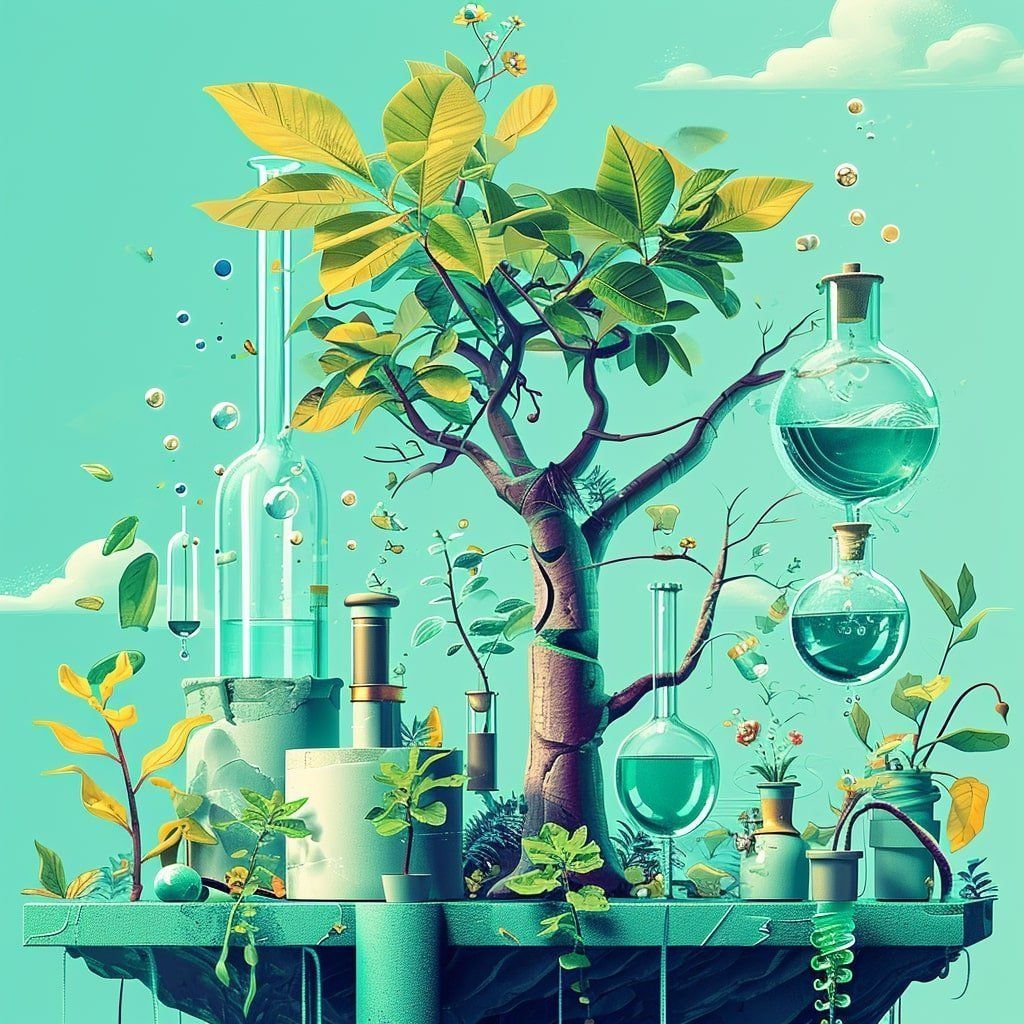
At the heart of the French startup ecosystem, which has already produced success stories such as Mistral, Poolside, and Adaptive, Paris-based Bioptimus is now stepping out of the shadows. Having recently secured $35 million in funding and with a vision to build the first universal AI foundation model for biology, Bioptimus is positioning itself at the forefront of technology. The groundbreaking open-science model aims to unite biology's different parts - from molecules to cells, tissues, and entire organisms - through generative AI.
A Team of Google DeepMind Veterans
Bioptimus brings together an impressive group of veterans from Google DeepMind and scientists from Owkin - a French AI-biotech unicorn. By leveraging AWS's computing power together with Owkin's ability to generate data and access to multimodal patient data from leading academic hospitals around the world, Bioptimus aims to create data-driven representations that offer a deeper understanding of biology's diversity.
Faster Than Google?
Jean-Philippe Vert, co-founder and CEO of Bioptimus, stated in an interview with VentureBeat that as a smaller, independent company, Bioptimus can move faster than Google DeepMind in directly accessing the data required to train biological models. "This allows us to collaborate with partners more easily and securely, which has built trust in our work by sharing our AI expertise and making models available for research," he says.
Transparency and a Strong Community Are Key to Success
Rodolphe Jenatton, a former researcher at Google DeepMind, has also joined Bioptimus and emphasizes the importance of open source/open science, at a level similar to the releases of the Mistral models. "Transparency, sharing, and community will be central elements for us," he explains.
Data Is a Bottleneck
Despite rapid advances in AI targeting specific biological aspects, such as models for protein sequences or foundation models for cell images, a holistic view of biology is still missing. Vert emphasizes that the biggest bottleneck is access to data, something Bioptimus has through its partnership with Owkin.
For business and tech enthusiasts, Bioptimus offers not just a glimpse into the future of biology and AI but also an opportunity to take part in an open scientific journey that could reshape our understanding of life itself.