AI Services Threaten the Future of Culture
The Hollywood strike exposed AI's threat to culture, but the solutions were inadequate. AI is now affecting art's communicative function and risks creating a more polarized world where culture is consumed within filter bubbles.
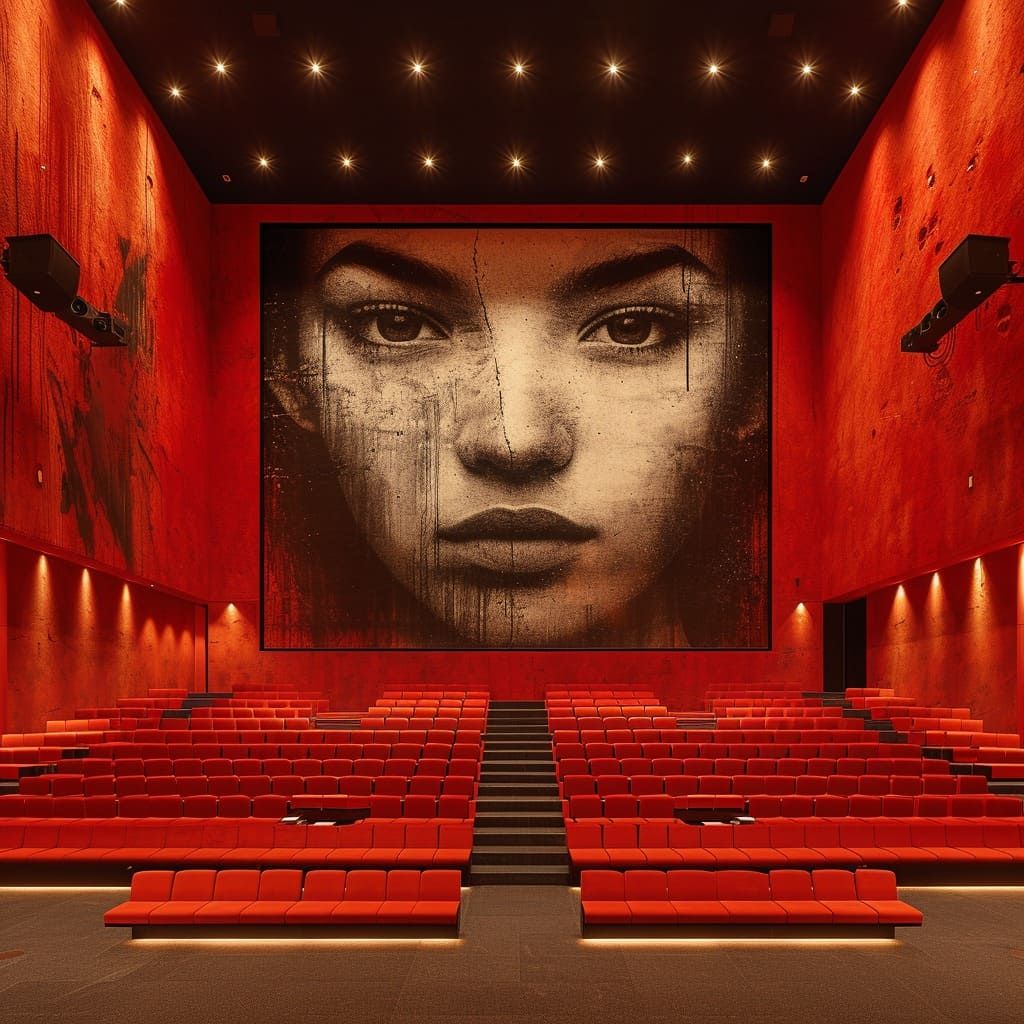
Last year's Hollywood strike marked a Pyrrhic victory for the dream factory, with marginally better terms for screenwriters and actors – financial improvements quickly eaten up by inflation. Foot soldiers in Hollywood are often forced to take side jobs to cover rent, while studio executives earn astronomical sums. But the real challenge for the future of film isn't overpaid executives, it's how money is flowing away from the film industry and into tech companies.
Technology's Growing Dominance
Young people today prefer TikTok over streaming services, and YouTube generates as much revenue as Netflix. Artificial intelligence, which fueled last year's strikes, will accelerate this trend. For Hollywood, and even more so for smaller film industries like Sweden's, it's becoming increasingly hard to compete. Social media capitalizes on the content we ourselves create and share, while traditional media loses ad revenue to these platforms.
Impact on Public Discourse
Algorithms shape filter bubbles, and companies like Meta censor feeds without transparency, making this a freedom-of-speech issue. As philosopher Shoshana Zuboff points out in her book "The Age of Surveillance Capitalism," many contribute without resistance to this downward spiral. It affects everything from the survival of local journalism to democratic elections.
AI's Impact on Culture and Art
With AI, film, like all culture, faces changes with major consequences. The big shift is that art's and culture's "communicative" function risks being disrupted. During the Hollywood strike, the ambition was too small – there should have been a global demand to halt film and TV production until the question of how AI should be allowed to use human culture had been answered.
After the strike, a half-measure was adopted allowing studios to use AI, but screenwriters are to receive copyright compensation. This is, however, barely noticeable, since AI tools' creations are hard to trace back to a specific creator. One example is Meta's intention to scrape data from European social media accounts to feed its AI programs.
The Future of Culture in an AI-Driven World
With AI, art and culture risk becoming disenchanted. Humans create in order to communicate and to be understood, something AI can't replace. The notion that artistic expression requires specific genders, skin colors, or ethnicities reinforces a polarization that already exists in society. When most of the culture we consume is produced by and within our filter bubbles, we risk losing the humanistic ability to reach one another across our differences.



