AI's Water Consumption - A New Risk for Investors
AI's water consumption is growing alongside the technology's advance, with data centers and semiconductor manufacturing putting an increasing strain on water resources. Is water scarcity on its way to becoming one of the biggest risks for tomorrow's investors?
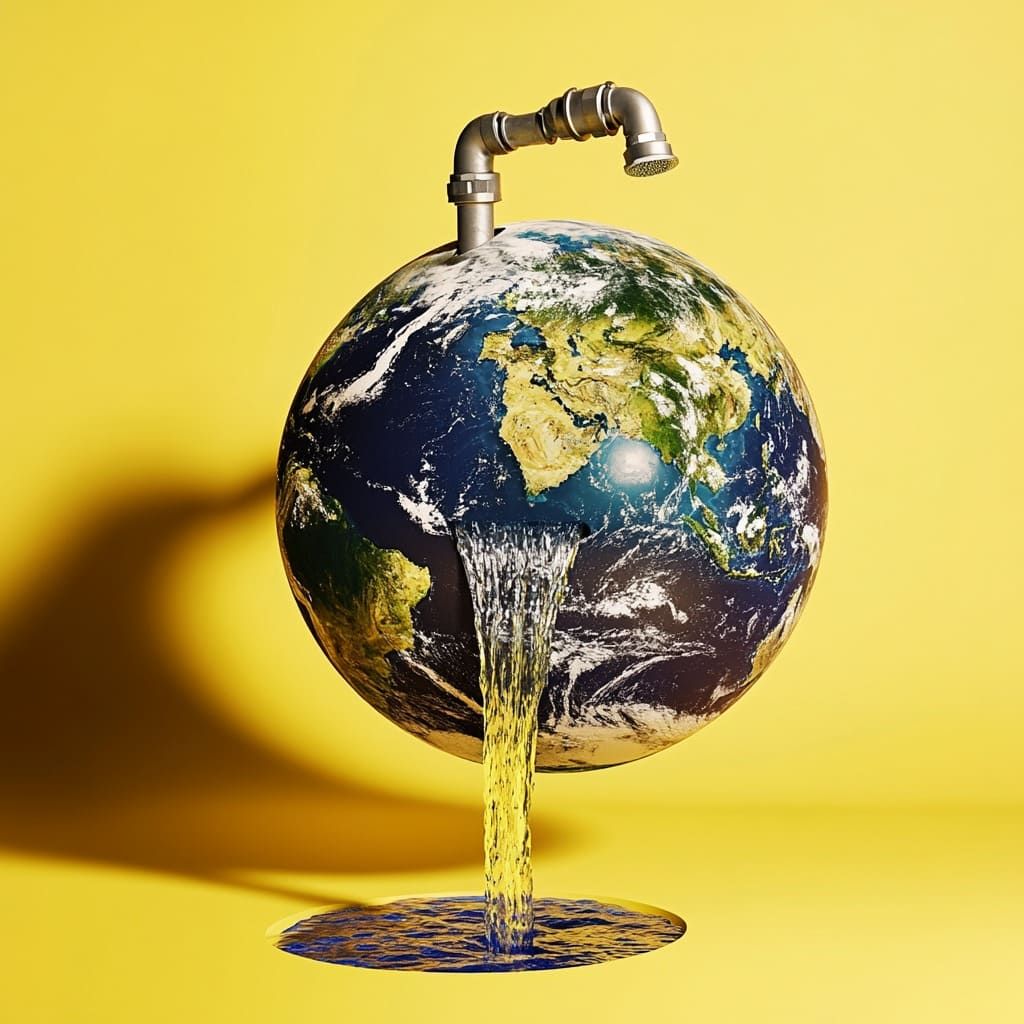
The rapid development of artificial intelligence (AI) and the growth of data centers are increasing pressure on water resources globally, especially in the US, where water scarcity is already an urgent issue. JPMorgan and sustainability consultancy ERM have examined how AI is affecting water consumption in their new report, The Future of Water Resilience in the US. "AI and data centers are compounding the water challenge and also putting a spotlight on the issue," says Rama Variankaval, global head of corporate advisory at JPMorgan, in an interview with Bloomberg.
Water to Cool Data Centers
AI systems require enormous amounts of energy, and therefore large amounts of water, to cool the energy-hungry data centers that handle and process data. At the same time, manufacturing semiconductors, a necessary component for AI, also requires large amounts of water. These water demands are compounded by climate change, which can cause drought and water scarcity. The report warns that water scarcity could lead to disruptions in global supply chains, especially in the fast-growing AI sector.
High Water Consumption: 5 Million Liters a Day
Large data centers can consume up to five million liters of water daily, an amount equivalent to the water consumption of a city of 50,000 residents. On top of this consumption, billions of liters of water are required for manufacturing the semiconductors AI technology depends on.
Water as a Financial Risk
Asset managers and pension funds are increasingly recognizing the financial risks water scarcity brings, and are closely watching how water-related challenges could affect their investments. Water scarcity has quickly become a factor weighed into investment decisions, especially in water-intensive sectors like AI and technology.
Does Water Need a Price?
JPMorgan and ERM argue that water should be priced like carbon, with its true value reflected in market pricing. Currently, the price of water in the US doesn't reflect its actual value, the report's authors argue. The World Bank has also expressed concern about the impact of water supply on the global economy, estimating that continued pressure on water availability could cause GDP to decline by as much as six percent in some regions.



