AI-Manipulated Images in Netflix Documentary Raise Ethical Questions
The use of AI-manipulated images in the Netflix documentary "What Jennifer Did" has sparked debate over the ethical aspects of AI in media productions. This issue is especially sensitive in legal cases, where fairness and objective representation are crucial.

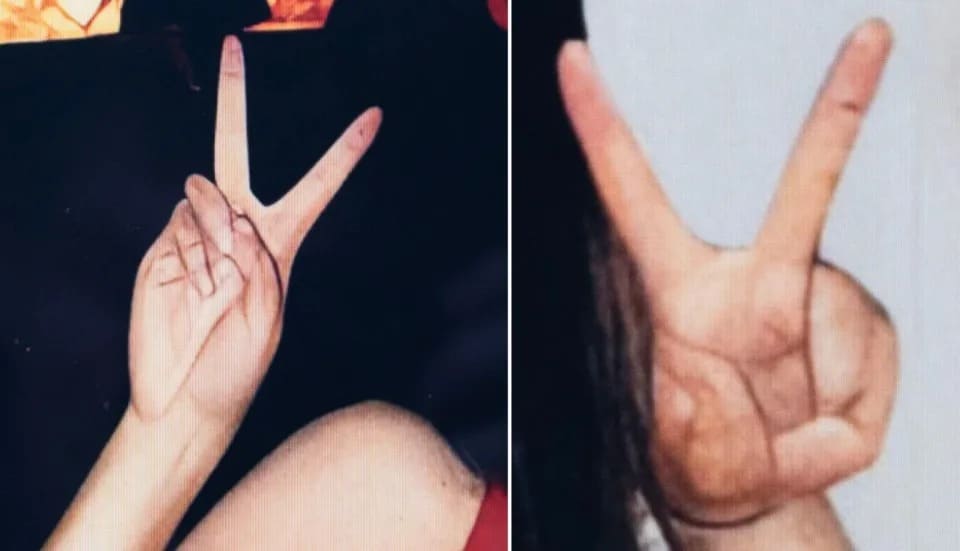
Netflix has been accused of using AI-manipulated images in the true crime documentary "What Jennifer Did," according to a report from Futurism. Several images show clear signs of AI manipulation, such as deformed hands and other strange artifacts. If these claims are accurate, they raise serious questions about the use of such images in documentary films, especially since the person depicted, Jennifer Pan, is currently in prison awaiting a new trial.
Clear Signs of Manipulation
In one of the most notable examples, Pan's left hand is severely deformed, and another photo shows a strange gap in her cheek. Netflix has not yet commented on the report, but the images show clear signs of manipulation and were never labeled as AI-generated.
Potential Bias and Impact on the Trial
There's speculation that the AI may have generated the images based on real photos of Pan, as PetaPixel has suggested. However, the result could be interpreted as biased and presenting the case in a slanted way, rather than impartially presenting the facts.
Legal and Regulatory Issues
A Canadian appellate court has ordered a new trial for Pan because the judge in the original case failed to present the jury with sufficient alternatives, CBC reported.
Regulating the Use of AI
Regulators in the US, Europe, and other parts of the world have introduced laws on the use of AI, but there still don't appear to be any specific laws governing the use of AI images or video in documentaries or other content.



