AI in Schools: A Threat to Trust Between Students and Teachers?
Generative AI has quickly become part of the classroom, but how is it affecting the relationship between teachers and students? Research shows trust is declining and digital divides between students are widening. Will AI change education for the better, or do we risk losing more than we gain?
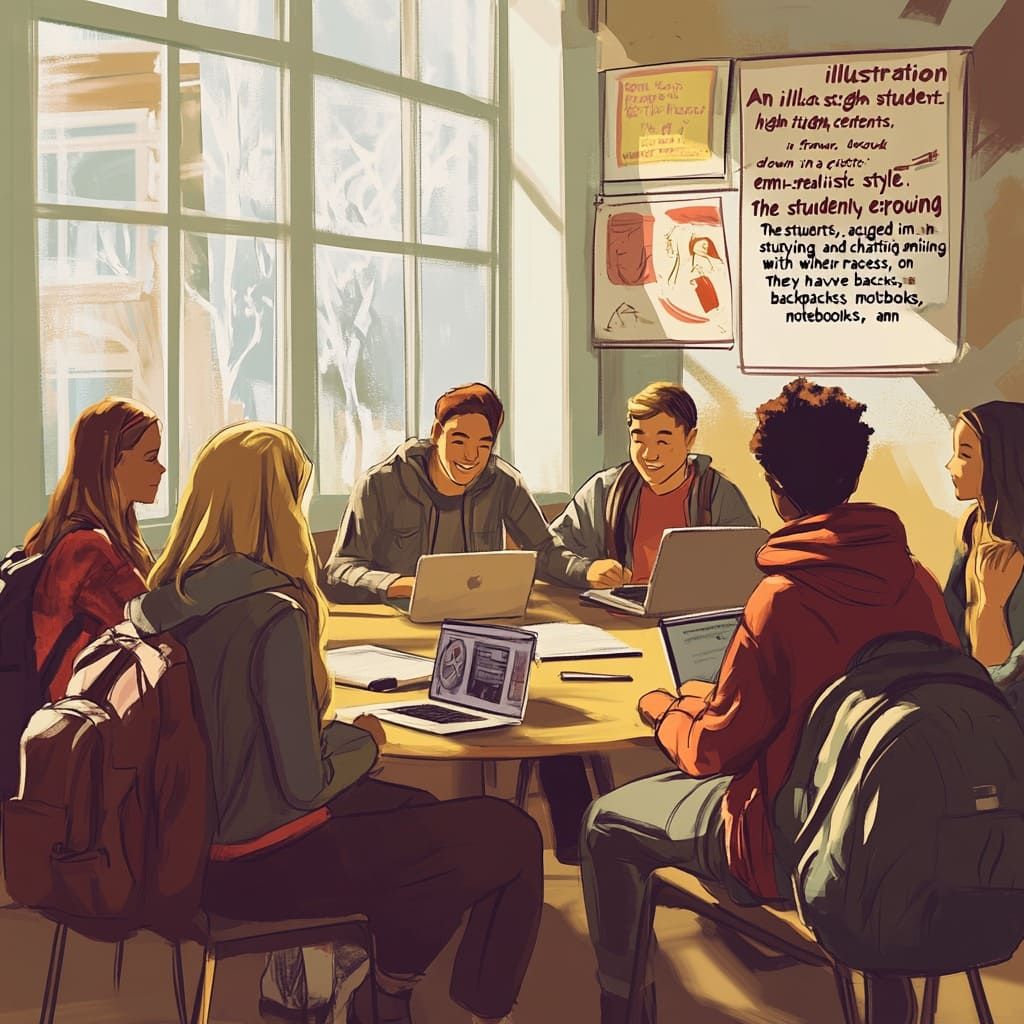
AI is developing fast, and it's a challenge for schools to keep up with the changes. Many students use AI tools, but the uncertainty over how they're used is creating a sense of panic among teachers, according to Mattias Wickberg Hugerth, development teacher at the City of Stockholm's education administration and PhD candidate in AI and education.
Declining Trust Between Teachers and Students
Research being carried out by Wickberg Hugerth is already pointing to a worrying trend. Through in-depth interviews and surveys with high school students, it emerges that many feel their teachers' trust in them has declined. This comes as a result of the technology's impact on how assessment is conducted in schools.
Many students understand the need for changed exam formats to reduce the risk of cheating, but at the same time see the downsides. One student described it as "tragic" that time for reflection and revising text has been reduced. This eroding trust between teachers and students is a challenge that needs to be addressed, says Wickberg Hugerth.
Cheating and AI - A Growing Problem
Cheating with AI tools does occur, even if it's not dominant. According to the survey, 13 percent of students have submitted AI-generated assignments, most often due to lack of motivation, stress, or a feeling that the assignment isn't meaningful. This creates a need for new forms of knowledge assessment that both prevent cheating and keep students engaged.
Wickberg Hugerth also points out that the distrust itself can lead to more cheating, since expectations of dishonesty can become a self-fulfilling prophecy.
A Digital Divide Between Students
Another important aspect is the growing digital divide between students. According to Wickberg Hugerth's research, students in academic-track programs often have a greater understanding and more frequent use of AI, especially if they come from academic households where the parents already use AI in their work. This creates a worrying socioeconomic imbalance, where some students pull ahead while others fall behind.
Schools have a compensatory mission to reduce this gap, but right now the opposite is happening. Students with less academic support at home can, however, benefit from AI tools like ChatGPT to get the help they otherwise lack.
Caution Around Digitalization
At the same time, there's some hesitancy toward digitalization in schools, based on past failures. Wickberg Hugerth emphasizes that it's important for students to gain a basic understanding of what AI is and the risks the technology brings. There's already a lot of material available from universities and organizations that could be used for this purpose, but he believes it would be best to offer dedicated lessons on AI rather than trying to integrate it into every subject.



